


Who Is a Good Candidate for a Chemical Peel?
Chemical peel candidacy depends on a client’s skin condition, tone, sensitivity, medical history, and cosmetic goals. Clients who want to improve rough texture, uneven pigmentation, superficial sun damage, or certain acne-related marks may be suitable for treatment. At Prime Skin & Laser Med Spa in Canton, MI, our professional team considers these individual factors when discussing chemical peel options and determining whether treatment may be appropriate. The team also reviews existing skin concerns, previous cosmetic procedures, and potential sensitivities to help clients make informed decisions about their aesthetic care. For more information, contact us or schedule an appointment online. We are conveniently located at 5748 N Canton Center Rd, Canton Township, MI 48187.
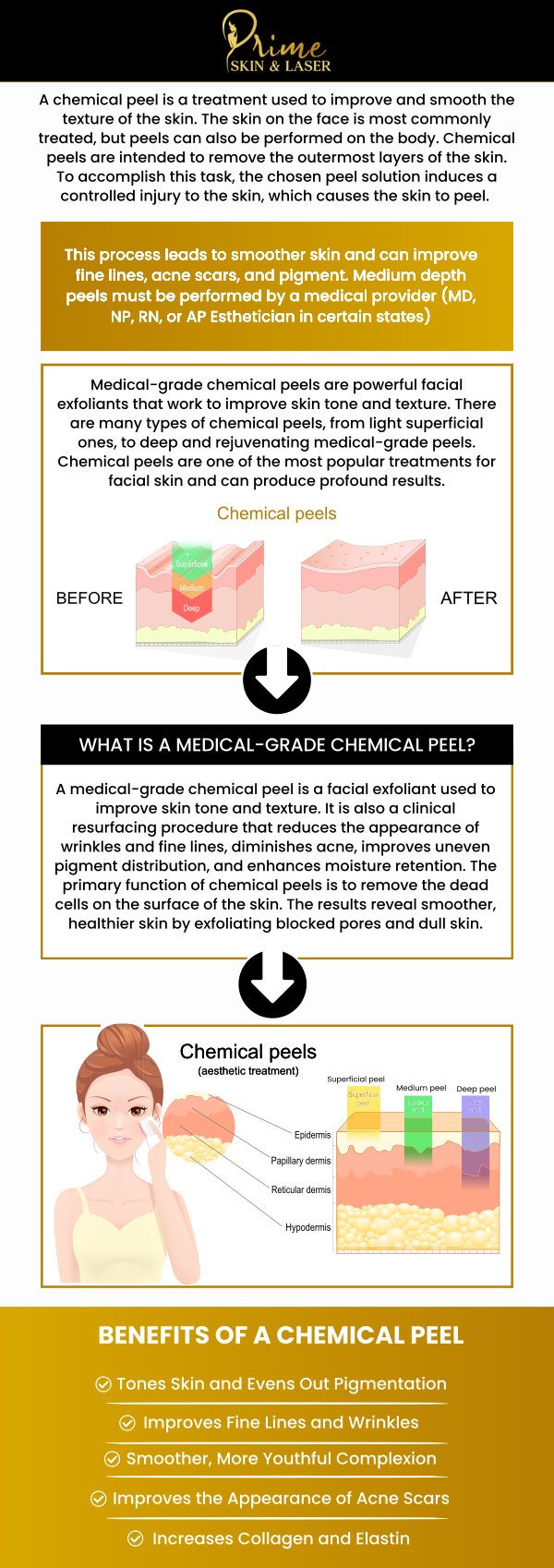
Table of Contents:
Which Skin Characteristics Make Someone Suitable for Chemical Exfoliation?
What Factors Determine Your Eligibility for a Skin Resurfacing Treatment?
How Does Skin Tone Influence Chemical Peel Selection?
What Should You Consider Before Pairing a Chemical Peel With Another Aesthetic Procedure?
Chemical Peel Safety: Important Restrictions and Skin Health Considerations
Can I get a chemical peel if I have sensitive skin?
Does melasma affect chemical peel eligibility?
Can I get a chemical peel after laser treatment?
What happens if my skin does not peel after a chemical peel?
Personalized Skin Treatment Planning With Hawra Alkhodr, RN
Medical References
Chemical peels use selected chemical solutions to remove damaged surface skin cells and encourage skin renewal. Depending on the formulation and treatment depth, they may improve several cosmetic skin concerns.
Clients who may benefit from an appropriately selected chemical peel include those experiencing:
• Uneven complexion: Superficial peels may help improve uneven skin tone and the appearance of certain discoloration.
• Post-acne marks: Selected formulations may help reduce the appearance of superficial dark marks left behind by acne.
• Rough skin texture: Chemical exfoliation can help remove accumulated surface cells and improve skin smoothness.
• Sun-related spots: Certain peels may improve the appearance of superficial pigmentation associated with sun exposure.
• Early signs of aging: Some treatments can soften the appearance of fine lines and improve the look of sun-damaged skin.
• Dull-looking skin: Removing accumulated dead skin cells may create a brighter-looking complexion.
Chemical peels have different strengths and purposes. Superficial peels generally target the outer skin layers, while medium and deep peels reach further into the skin and involve greater recovery and complication risks.
They may not be sufficient for deep wrinkles, pronounced acne scars, or more complex pigmentation concerns. A different skin treatment may be more appropriate depending on the underlying concern.
Chemical peel candidacy depends on the condition of the skin, the client’s health history, and the type of peel being considered.
A client may be considered for treatment when they:
• Have a specific cosmetic concern that may respond to chemical exfoliation.
• Have healthy skin without an active infection or open wound in the treatment area.
• Can follow pre-treatment and post-treatment instructions.
• Understand the expected recovery period and possible side effects.
• Have realistic expectations about the degree of improvement.
• Can maintain appropriate sun protection during recovery.
Certain factors may require additional evaluation before proceeding. For example, clients with a history of sensitive skin, frequent cold sores, abnormal scarring, or previous reactions to cosmetic products should discuss these concerns before treatment.
A consultation is also an opportunity to review previous procedures, prescription medications, and current skincare products. These details can influence whether a particular peel is appropriate.
Hawra Alkhodr, RN, has an aesthetic background that includes skin resurfacing, pigmentation treatments, and laser procedures. Her experience is relevant when discussing cosmetic treatment options and individual skin goals. The final treatment recommendation should be based on an appropriate assessment rather than cosmetic preferences alone.
Skin tone is an important consideration when selecting a chemical peel because different skin types can respond differently to inflammation and exfoliation.
Clients with lighter and darker skin tones may be candidates for chemical peels, but the formulation and treatment depth need to be carefully considered.
One important concern is post-inflammatory hyperpigmentation (PIH). This occurs when the skin develops darker patches following irritation, injury, or inflammation. It can be more noticeable in clients with darker skin tones.
Other factors that influence treatment selection include:
• Natural pigmentation: Skin tone and previous pigmentation changes help guide peel selection.
• History of dark spots: Clients who develop discoloration after acne or minor skin injuries may need additional precautions.
• Skin sensitivity: Easily irritated skin may require a gentler treatment approach.
• Existing skin conditions: Eczema, rosacea, and other inflammatory conditions may affect treatment suitability.
• Previous cosmetic treatments: Recent laser procedures, microneedling, or other resurfacing treatments may affect treatment timing.
The American Academy of Dermatology notes that chemical peels can be performed on skin of color, but appropriate selection and experience treating darker skin tones are important to reduce the risk of lasting pigmentation changes.
For clients considering VI Peel or BioRePeel at Prime Skin & Laser Med Spa, the choice should account for skin tone, sensitivity, and previous treatment history.
Combining aesthetic procedures may be part of a broader skin care plan, but treatment timing and compatibility matter. Multiple procedures performed too close together can increase irritation and interfere with the skin’s recovery.
Prime Skin & Laser Med Spa offers several aesthetic services that address different skin concerns:
• VI Peel: A chemical peel option for clients seeking skin resurfacing and complexion improvement.
• BioRePeel: Another chemical peel option available at the clinic.
• HydraFacial: A facial treatment that can be considered for ongoing skin care.
• Morpheus8: Radiofrequency microneedling used for selected skin texture and rejuvenation concerns.
• Laser skin resurfacing: Treatments available for selected pigmentation, texture, and skin rejuvenation goals.
These procedures are not automatically suitable for every client or appropriate for simultaneous treatment. For example, combining exfoliating procedures with laser resurfacing or microneedling may increase skin irritation if the timing is not carefully planned.
Hawra Alkhodr, RN, has experience with skin resurfacing, pigmentation treatments, and Morpheus8 RF microneedling. This background is relevant when discussing different aesthetic approaches and considering an appropriate treatment schedule.
The decision to combine procedures should account for the intensity of each treatment, the skin’s healing response, and the client’s individual needs.
Chemical peels are cosmetic procedures, but they still carry potential risks. Reviewing medical history, current skin conditions, and previous treatments is an important part of determining whether a client is suitable.
When Should a Chemical Peel Be Postponed?
A chemical peel may need to be delayed or avoided in certain circumstances, including:
• Active cold sores or skin infections: Treatment over an active infection can increase the risk of complications.
• Open wounds or sunburn: Damaged or inflamed skin may not tolerate chemical exfoliation safely.
• Active inflammatory skin conditions: Eczema, psoriasis, and other conditions may require additional evaluation.
• A history of keloid scarring: Clients who develop raised scars may need additional assessment.
• Recent isotretinoin use: Current or previous isotretinoin treatment should be discussed because it may affect skin recovery and treatment planning.
• Known ingredient allergies: Previous allergic reactions to peel ingredients must be considered.
• Pregnancy or breastfeeding: Certain peel ingredients and formulations may not be appropriate during these periods.
Not every condition automatically rules out every type of chemical peel. Suitability depends on the formulation, treatment depth, and individual circumstances.
What Side Effects Should Clients Understand?
Temporary reactions following a chemical peel can include:
• Redness and skin sensitivity.
• Dryness, tightness, or mild swelling.
• Flaking and visible peeling.
• Temporary changes in skin pigmentation.
• Less common complications may include infection, prolonged redness, scarring, chemical burns, and lasting light or dark patches.
Deeper treatments generally involve greater recovery demands and risks than superficial peels. Clients should understand the expected healing process before choosing a treatment.
What Preparation and Aftercare Measures Help Protect the Skin?
Following professional instructions before and after a chemical peel helps support skin recovery.
Important precautions include:
• Disclose all prescription medications, over-the-counter products, supplements, and previous cosmetic procedures.
• Discuss retinoids, exfoliating acids, and other potentially irritating skincare products.
• Follow the recommended preparation schedule rather than independently changing prescribed skincare.
• Avoid picking, scratching, or pulling away peeling skin.
• Use broad-spectrum SPF 30 or higher and limit direct sun exposure.
• Avoid harsh exfoliants until the skin has recovered.
• Contact the treating professional if significant swelling, increasing pain, blistering, or signs of infection develop.
The FDA warns against using high-concentration chemical peel products at home without appropriate professional supervision. Improper use can cause serious chemical burns, infection, pigmentation changes, and permanent scarring.
Frequently Asked Questions
Having sensitive skin does not automatically exclude you from chemical peel treatments. However, the formulation and strength must be selected carefully. Clients with frequent irritation, rosacea, eczema, or reactions to skincare ingredients should discuss their history before treatment. A gentler approach or an alternative treatment may be more appropriate.
Clients with melasma may be candidates for selected chemical peels, but treatment requires careful planning. Skin irritation and inflammation can worsen pigmentation in some individuals. A qualified professional should assess the pigmentation pattern, skin tone, and previous treatment history before recommending a peel.
A chemical peel may be considered after laser treatment, but the skin must have recovered sufficiently. The appropriate waiting period depends on the laser procedure, treatment intensity, and individual healing response. Combining procedures too soon may increase irritation and pigmentation risks. Always discuss previous laser treatments during the consultation.
Visible peeling does not occur to the same degree with every chemical peel. Some superficial treatments cause very little flaking, while others produce more noticeable shedding. The absence of visible peeling does not automatically mean the treatment was ineffective. Results should be assessed according to the peel type and intended skin improvements.
Hawra Alkhodr, RN, is a Michigan-licensed Registered Nurse, Laser & Aesthetic Provider, and Certified Injector at Prime Skin & Laser Med Spa. She brings a client-centered approach to aesthetic care, emphasizing individualized attention, clear communication, and an understanding of each client’s unique concerns and expectations. Her nursing background supports her focus on client education, comfort, and safety throughout the care experience.
Hawra believes that effective aesthetic care begins with understanding each client’s individual goals, preferences, and needs. She takes a personalized approach by considering relevant health history, individual characteristics, and realistic expectations before discussing appropriate recommendations. Her commitment to thoughtful guidance and attention to detail helps clients make informed decisions and feel comfortable throughout their aesthetic care experience.
Contact us today for more information or schedule an appointment online! We are conveniently located at 5748 N Canton Center Rd, Canton Township, MI 48187. We serve clients from Canton MI, Westland MI, Plymouth MI, Wayne MI, Superior Charter Twp MI, Frain Lake MI, Romulus MI, Belleville MI, Ypsilanti MI, Van Buren Charter Township MI and surrounding areas.

Check Out Our 5 Star Reviews


Additional Services You May Need
▸Body Contouring
▸Botox & Fillers
▸Bellafill
▸Chemical Peels
▸Dysport
▸HydraFacials
▸Juvederm
▸Kybella
▸Laser Hair Removal
▸Laser Fat Removal
▸Laser Tattoo Removal
▸Laser Freckle Removal
▸Laser Mole Removal
▸Zerona Laser Lipo
▸CO2 Laser Treatment
▸Trap Tox
▸Dark Spots

Additional Services You May Need
▸Body Contouring
▸Botox & Fillers
▸Bellafill
▸Chemical Peels
▸Dysport
▸HydraFacials
▸Juvederm
▸Kybella
▸Laser Hair Removal
▸Laser Fat Removal
▸Laser Tattoo Removal
▸Microneedling
▸PDO Thread Lift
▸Restylane
▸Revanesse Versa
▸Skin Care
▸Skin Tightening
▸Splendor X Laser
▸Teeth Whitening
▸Ultherapy Treatment
▸Xeomin
▸Laser Freckle Removal
▸Laser Mole Removal
▸PicoWay Resolve
▸PicoWay Laser
▸Varicose Veins
▸Leg Veins
▸Spider Veins
▸Morpheus 8 Tightening
▸Waxing
▸VI Peel
▸Semaglutide GLP-1
▸Acne Treatment
▸AviClear
▸BioRePeel
▸Vitamin B12 Shots
▸EMSculpt
▸Exilis
▸Dermal Fillers
▸Zerona Laser Lipo
▸Vamp Salmon DNA
▸Non-Surgical Breast Lift
▸CO2 Laser Treatment
▸EmFemme 360
▸Body Sculpting
▸Trap Tox
▸Collagen Banking
▸Hyperpigmentation
▸Dark Spots
▸Melasma
▸Microdermabrasion


 Send Text
 How May I Help You?